
Menu


Close


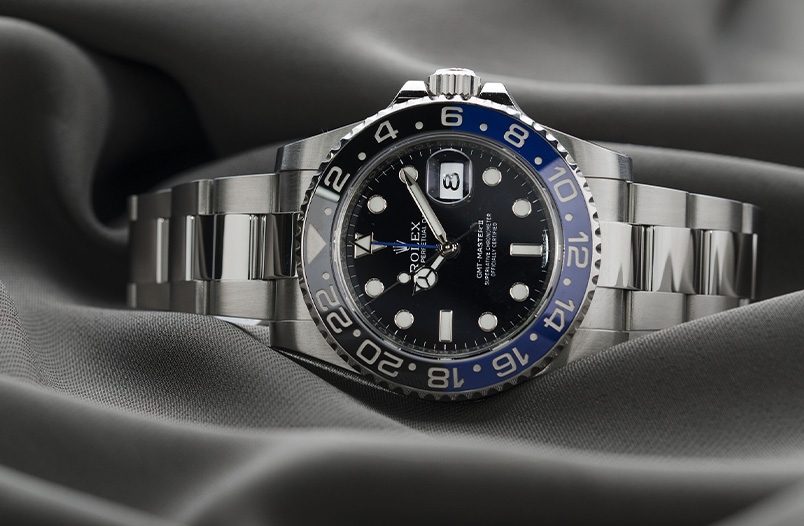

Bi-metal vs Stainless Steel Rolex Sports Watches

For years, there was a very simple answer to the question, “Should I buy a stainless steel Rolex sports watch or a bimetal one?”
The answer was almost always stainless steel.
Collectors loved the purity of Rolex’s original tool watches, and steel models consistently attracted the strongest demand. But over the last decade, something interesting has happened.
The market has changed. Collectors have changed. And perhaps most importantly, Rolex has changed.
The introduction of modern Rolesor models, particularly alongside the ceramic bezel generation, has transformed attitudes towards bimetal Rolex sports watches. Models that were once overlooked are now among the most desirable in the Rolex Professional collection, with buyers increasingly appreciating the warmth, versatility and value that steel and gold can offer.
So, if you’re buying your next Rolex, should you choose stainless steel or bimetal?
Let’s take a closer look.
In Brief
Should you buy a stainless steel or bimetal Rolex sports watch? While stainless steel remains the classic choice for many collectors, modern Rolesor models have transformed perceptions of bimetal Rolex sports watches. Combining Oystersteel with solid 18ct gold, watches such as the Explorer 124273, GMT-Master Root Beer, Submariner Date and Daytona offer a compelling blend of everyday practicality, luxury and value. In this guide, we’ll compare steel and bimetal Rolex sports watches, explain why collector opinions have changed and help you decide which is the right choice for your collection.
What Is a Bimetal Rolex?

Rolex refers to its steel and gold watches as Rolesor.
Rather than simply adding a gold finish, a Rolesor Rolex combines Oystersteel with solid 18ct gold.
That means a typical Rolesor sports watch features:
- An Oystersteel case
- Oystersteel outer bracelet links
- Solid 18ct gold centre bracelet links
- A solid 18ct gold bezel
- A solid gold winding crown
- Gold hands and hour markers
One important point that’s often misunderstood is that Rolex does not gold-plate these watches.
The gold components are manufactured from solid 18ct gold, meaning they won’t wear through over time like plated watches. It’s genuine precious metal, which explains why Rolesor models cost more than their stainless steel equivalents when new.
Why Steel Became the Collector’s Favourite

Rolex sports watches began life as professional tool watches.
- The Submariner was designed for divers.
- The Explorer for mountaineers.
- The GMT-Master for airline pilots.
- The Explorer II for cave explorers.
- The Daytona, although now regarded as a luxury icon, was created as a professional chronograph for racing drivers.
Naturally, stainless steel became the material people associated with these watches.
It was practical. Durable. Understated.
And for many years, if someone walked into a watch dealer looking for their first Rolex sports watch, nine times out of ten they wanted stainless steel.
If you’re new to Rolex sports watches, our Buying Your First Rolex guide explains the key differences between Rolex’s Professional models and what to consider before making your first purchase.
Why Opinions Have Changed
Over the last few years, however, we’ve noticed something interesting at Oakleigh Watches.
Customers still arrive asking specifically for stainless steel. But increasingly, they also ask about bimetal. They try one on. And suddenly they’re not quite so certain. That’s because photographs rarely tell the whole story.
Gold changes the personality of a watch. It catches the light differently. It adds warmth.
Instead of feeling purely like a professional tool watch, it becomes something that bridges the gap between sport and luxury.
For many buyers, that’s exactly what they’re looking for.
The Rolex Explorer 124273 – The Watch That Changed Minds

Perhaps no modern Rolex demonstrates this shift in opinion better than the Rolex Explorer 124273.
When Rolex announced a two-tone Explorer in 2021, reaction was mixed. Many enthusiasts believed the Explorer should remain exclusively stainless steel. After all, it was one of Rolex’s purest tool watches and arguably the first true Rolex sports watch.
But once people began seeing it in the metal, opinions quickly softened.
Rolex retained the Explorer’s classic 36mm case, preserving the proportions that made the model famous.
Then it introduced subtle touches of 18ct yellow gold.
- The bezel.
- The bracelet centre links.
- The iconic 3, 6 and 9 numerals.
The result isn’t a completely different watch. It’s still unmistakably an Explorer. It’s simply a little warmer, a little smarter and a little more luxurious.
We’ve also found that the Explorer 124273 appeals to a much broader audience than many expected. The classic 36mm size wears beautifully on smaller wrists and has become a popular choice for those wanting a sports Rolex that’s equally comfortable with casual or formal wear.
It’s one of the strongest examples of how Rolesor can enhance, rather than dilute, the identity of a Rolex sports watch.
The GMT-Master II Root Beer – The Original Rolesor Icon

If one watch has completely changed perceptions of bimetal Rolex sports watches, it’s undoubtedly the Rolex GMT-Master Root Beer.
Originally introduced during the 1970s, the Root Beer has always stood apart from the rest of the Professional collection.
Warm brown and gold tones. Distinctive dial colours. And a character unlike anything else Rolex produced.
Whether you’re looking at a vintage late-1970s example or the modern Everose version, the Root Beer perfectly demonstrates why Rolesor works so well.
It’s sporty. Luxurious. And instantly recognisable.
For many collectors, it’s become the benchmark for a bimetal Rolex sports watch.
If you’re interested in the history of the Root Beer alongside the Pepsi, Coke and Black GMT-Master references, read our Rolex GMT-Master Colours Explained guide.
The Submariner – Sport Meets Luxury

How far can Rolex take the concept of a luxury sports watch?
The Submariner Date provides the answer.
Available with either a blue dial and bezel or a more understated black configuration, the Rolesor Submariner manages to retain everything people love about the world’s most famous dive watch while adding genuine luxury through its solid gold bezel, crown and bracelet links.
- The blue version feels unmistakably luxurious.
- The black version remains purposeful and restrained.
Both prove that a sports watch doesn’t have to be entirely stainless steel to remain authentic.
If you’re considering adding one to your collection, our Rolex Submariner Date Buying Guide explains the differences between vintage, neo-vintage and modern Submariner references.
The Daytona – A Natural Fit for Gold

Few Rolex watches wear gold quite as naturally as the Daytona.
Although it began life as a racing chronograph, the Daytona has evolved into one of the world’s most desirable luxury watches.
Adding gold to the bezel, pushers, bracelet and dial doesn’t change its functionality in the slightest.
It’s still an outstanding sports chronograph. It simply feels that little bit more special on the wrist.
Why Bimetal Rolex Sports Watches Represent Such Good Value
This is where the conversation becomes particularly interesting.
A full gold Rolex is a wonderful thing. But it’s also a serious investment, often costing £30,000, £40,000 or considerably more.
Rolesor offers much of that same luxurious feel at a significantly lower price.
There’s another factor that’s often overlooked.
When new, a Rolesor Rolex generally costs more than its stainless steel equivalent.
However, bimetal models have historically depreciated more quickly before reaching a stable point on the pre-owned market.
That means it’s often possible to buy a Rolesor Rolex that originally retailed for more than the steel version for less money than the equivalent stainless steel model.
This is particularly noticeable with watches such as the Rolex Daytona, where a bimetal example can represent exceptional value.
As steel Rolex prices have continued to rise, more and more buyers are beginning to realise just how compelling Rolesor has become.
If you’re planning to upgrade your current watch, our Sell Your Rolex page explains the options available, including outright purchase, part exchange and consignment.
Steel or Bimetal – Which Would We Choose?
There isn’t a right answer.
If you’re looking for the purest expression of Rolex’s original tool-watch philosophy, stainless steel remains incredibly difficult to beat.
It’s practical. Timeless. And wonderfully understated.
But if you’re looking for something that bridges everyday practicality with a little more luxury, warmth and individuality, Rolesor deserves serious consideration.
Whether it’s an Explorer 124273, a GMT-Master Root Beer, a Submariner Date or a Daytona, today’s bimetal Rolex sports watches offer a combination of versatility and value that’s difficult to ignore.
The biggest piece of advice we can offer is simple.
Don’t dismiss a Rolesor Rolex until you’ve tried one on.
Time and again, we’ve seen customers arrive convinced they wanted stainless steel, only to leave wearing bimetal after seeing it on the wrist. Sometimes that’s all it takes.
If you’d like to compare current steel and Rolesor models, browse our latest Rolex Collection, where you’ll find a regularly changing selection of pre-owned Rolex sports watches.
Frequently Asked Questions
What is a bimetal Rolex?
A bimetal Rolex, known by Rolex as Rolesor, combines Oystersteel with solid 18ct gold. The gold components include the bezel, winding crown and centre bracelet links.
Is a bimetal Rolex made from solid gold?
No. The case remains Oystersteel, while the gold components are manufactured from solid 18ct gold. Rolex does not gold-plate Rolesor watches.
Why are bimetal Rolex sports watches becoming more popular?
Many collectors now appreciate the additional warmth, versatility and value that Rolesor offers. As stainless steel Rolex prices have increased, bimetal models have become an increasingly attractive alternative.
Which Rolex sports watches are available in Rolesor?
Popular bimetal Rolex sports watches include the Explorer 124273, GMT-Master II Root Beer, Submariner Date, Daytona, Sea-Dweller and Yacht-Master. You can explore many of these models in our Rolex Collection.
Are bimetal Rolex watches good value?
Yes. Because Rolesor models often depreciate more quickly than steel when new, they can represent exceptional value on the pre-owned market, particularly when compared with equivalent stainless steel references.
Explore Our Current Rolex Collection
Whether you’re drawn to the understated simplicity of stainless steel or the warmth and individuality of a Rolesor model, we regularly stock a carefully curated selection of pre-owned Rolex sports watches.
From the elegant Explorer 124273 and the iconic GMT-Master Root Beer to timeless Submariners, Daytonas and more, our Rolex collection is constantly changing.
Browse our current Rolex watches to compare steel and bimetal models side by side, or get in touch if you’re searching for a particular reference. We’d be delighted to help you find the Rolex that’s right for you.
Watch the Full Video
Want to see these watches side by side?
Watch our latest YouTube video where Giles compares stainless steel and bimetal Rolex sports watches, explains why collector opinions have changed, and shares why models like the Explorer 124273 and GMT-Master Root Beer are enjoying a well-deserved resurgence.